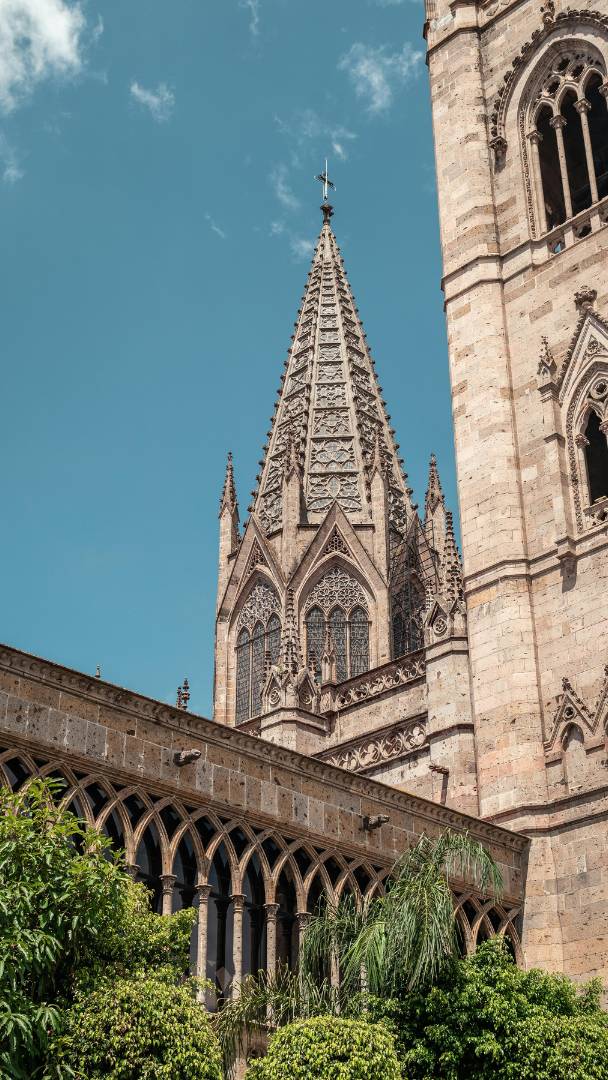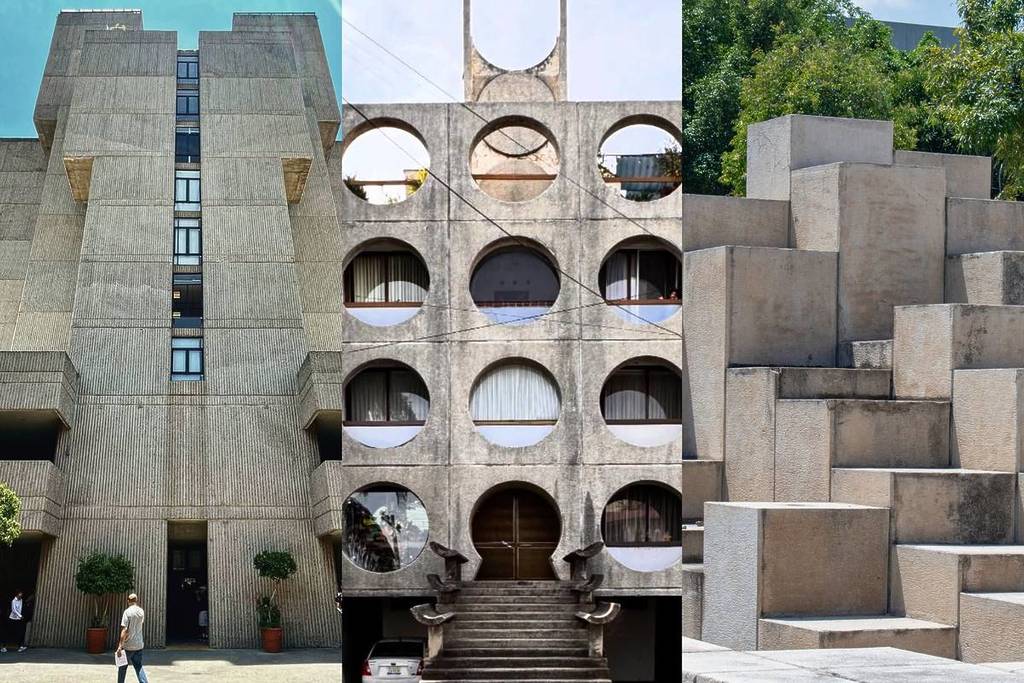

If you are an architecture lover, then you should know that our city is home to many architectural gems. Among them are these incredible brutalist buildings in Guadalajara that look like they belong in a science fiction dystopia.
Brutalism was an architectural movement that emerged during the 1950s and 1970s, characterized by its massive structures, use of geometric shapes, and functionality of space.
In our city, there are residential buildings, offices, and plazas built in this style. Here, we’ll tell you a little about their history and where you can find these incredible works. Take a look at the list!
Vasarely Building
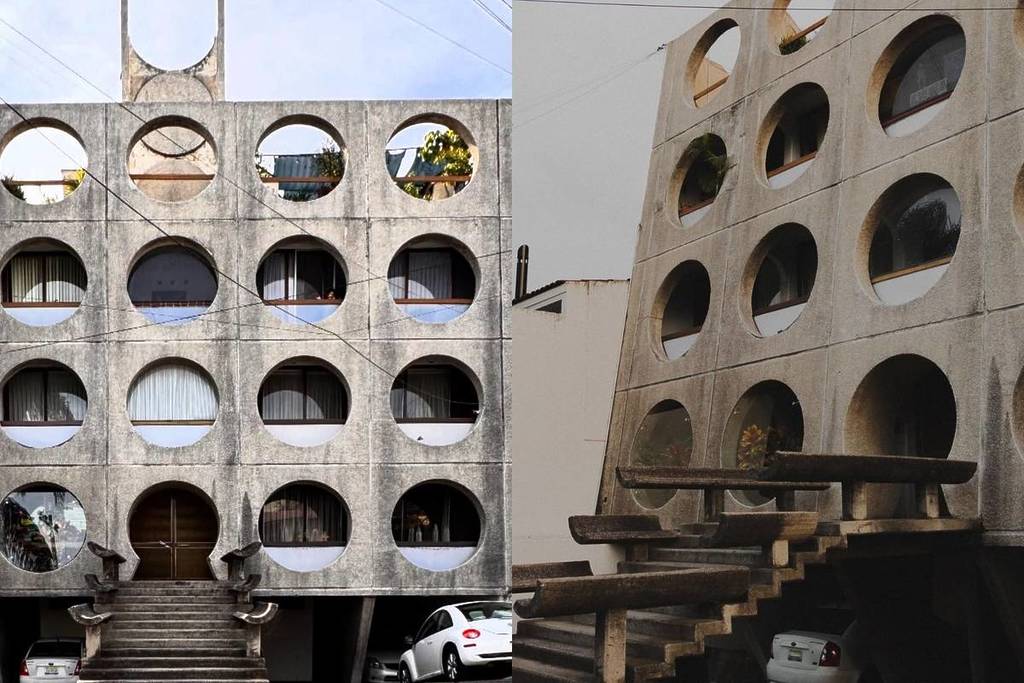
Built in 1977 by Félix Aceves, this building broke with the traditional aesthetics of the area at the time. It is an apartment building with a facade that plays with geometric shapes, creating a futuristic aesthetic that is sure to catch your eye.
Jalisco State Archives
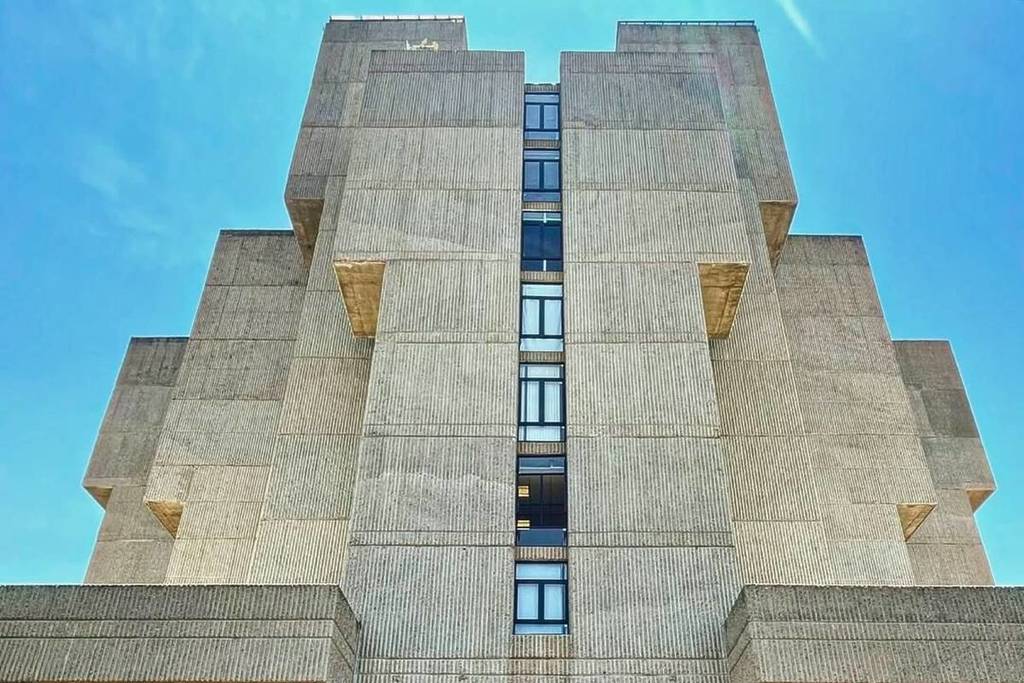
Without a doubt, one of the most interesting buildings is the work of architect Alejandro Zohn. At first glance, its figure imposes its great presence. It is almost like a futuristic castle taken from a science fiction movie.
This building was constructed in 1989, but its grand design has stood the test of time, making it one of the most incredible buildings in Guadalajara.
Plaza Fuente
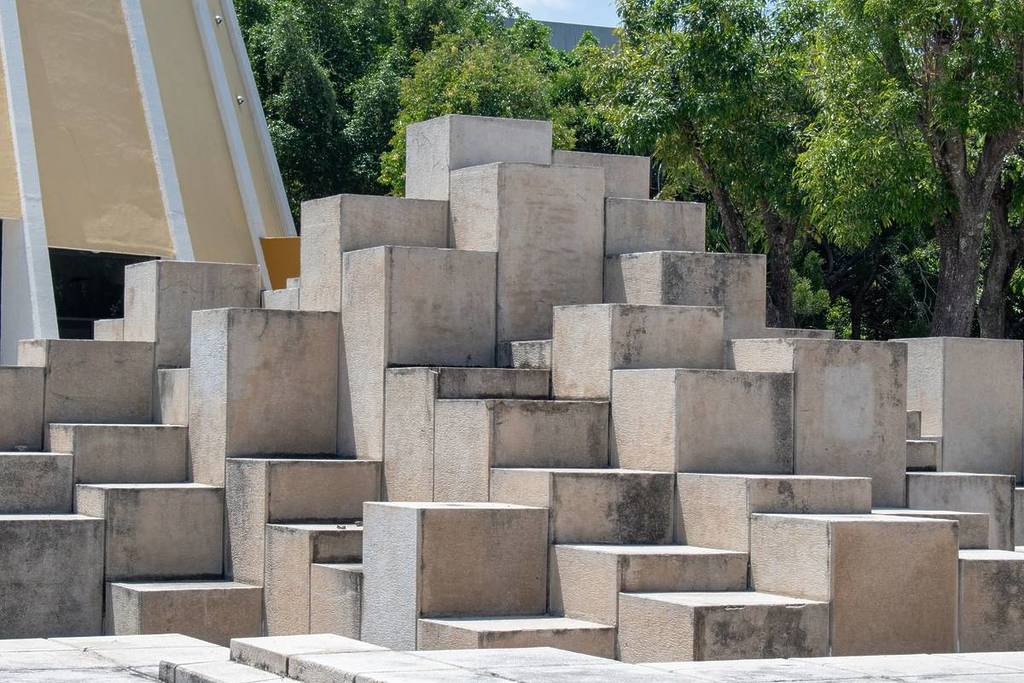
Built in 1973, this brutalist work stands out as a plaza where concrete cubes serve as fountains and benches for sitting. Without a doubt, this space is a great example of the strong movement that prevailed in the 1970s.
Luviano Building
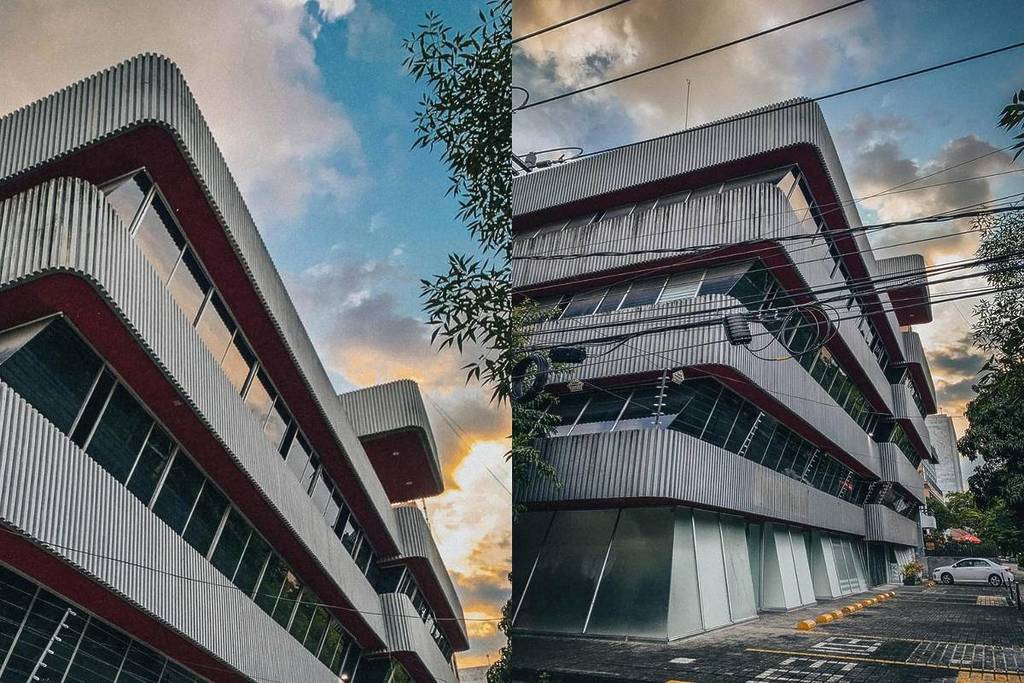
Another of the great works of architect Félix Aceves, completed in 1978, this office building stands out for its concrete structure that looks like an inverted pyramid.
Mulbar Building
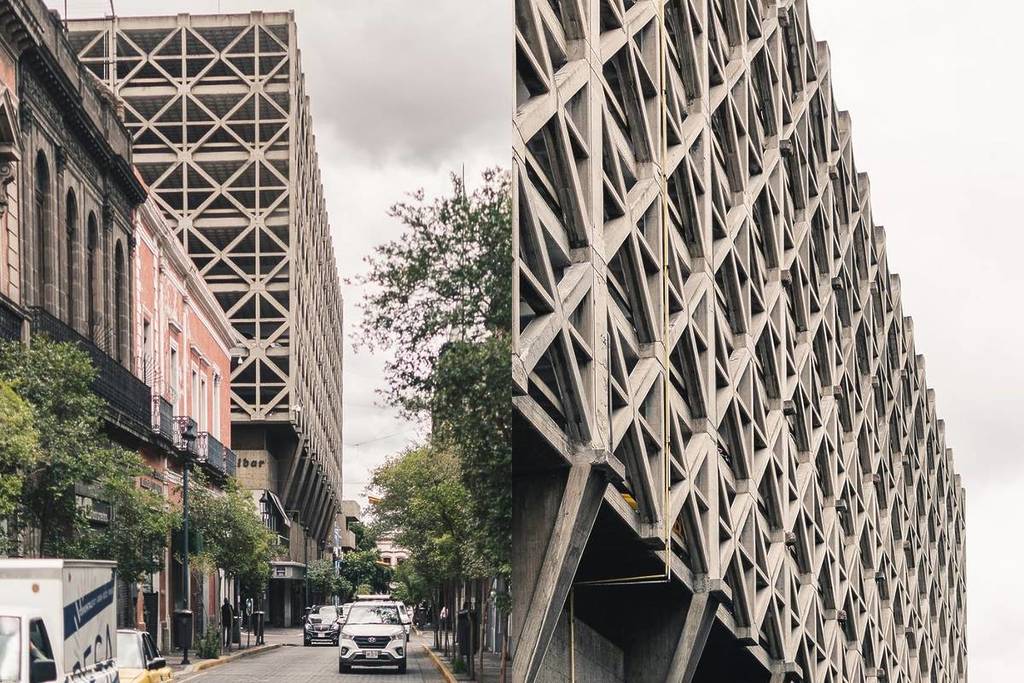
One of the most controversial works of its time was the Mulbar Building, designed by architect Alejandro Zohn. Previously a historic building, it was transformed into an imposing shopping center with a brutalist style.
San Pedro Building
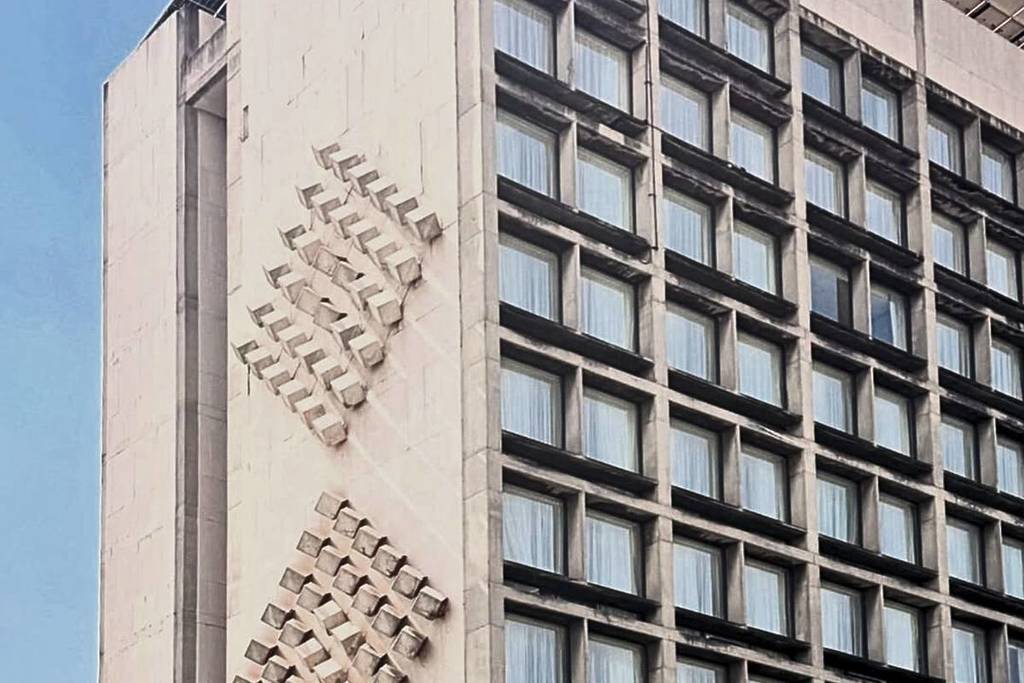
Finally, this building can be deceiving to the eye. At first glance, it appears to be a building constructed no more than five years ago, but it was actually completed in 1971 by architect Fernando Gónzalez.
Designed with functionality in mind, this building has transcended time as an example of how brutalism can remain attractive over time.
–